
Tiki beginnings
Polynesia is a group of islands in the Pacific Ocean that stretches from Hawaii in the north, New Zealand in the South and as far east as Easter Island (Rapa Nui). The islands share a set of common beliefs and practices, as well as common words and terms across its 30+ languages. This is thought to be due to original settlers coming from Southeast Asia, as well as significant voyages and trading between the islands.
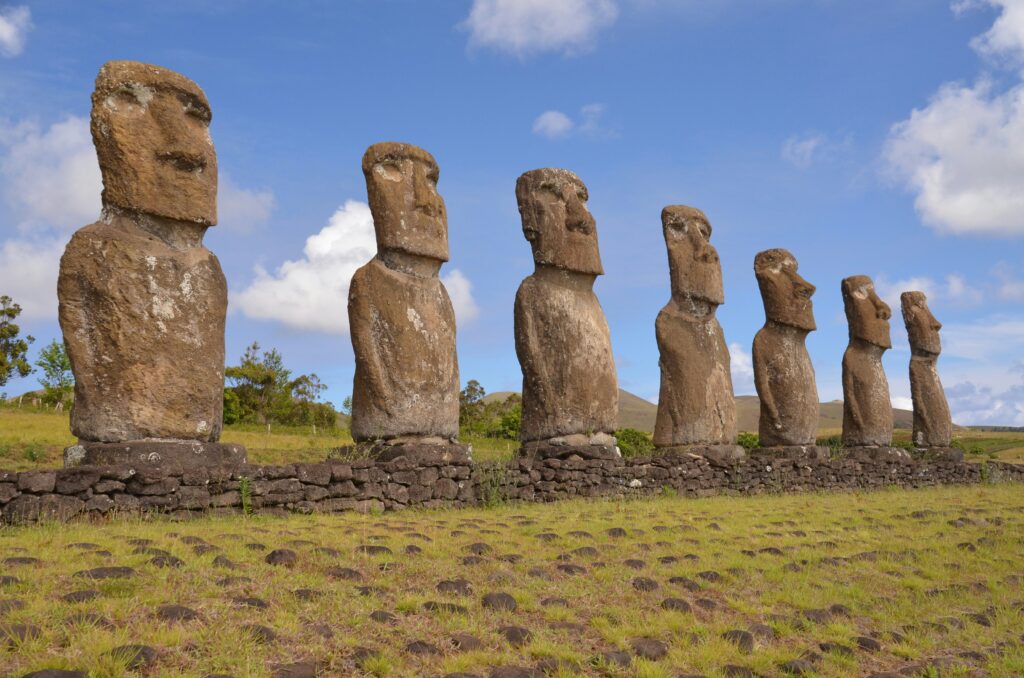
Many of the islands in Polynesia were first discovered by the West in the late 16th and early 17th century, as Europeans explored the oceans. Perhaps one of the most interesting discoveries, though, was the island of Rapa Nui (commonly known as Easter Island) due to its giant Moai that stood looking over its communities.
The term Tiki, however, comes from the Māori name for the first human. It also refers to a pendant worn by the Māori (hei-tiki to give it its full name) as a form of good luck symbol. Made from pounamu originally, jade versions are often sold now to tourists. By the 1930s, the term tiki was used to refer to items that came from the South Pacific, or were finished in that style.
The first real Tiki bar was opened in Hollywood in 1933 by Ernest Raymond Beaumont-Gantt (who later changed his name to Donn Beach). Originally called Don’s Beachcomber before changing it to Don the Beachcomber, the Polynesian-themed bar and restaurant served Cantonese cuisine and exotic rum cocktails. In 1936, Victor Bergeron was so impressed with the Polynesian restaurant scene in Hollywood (including Don the Beachcomber’s) that he changed the name of his restaurant in Oakland to Trader Vic’s and the movement began.
It wasn’t until after World War 2 though, when Tiki Culture really exploded, as veterans returned home from serving in the South Pacific. A spate of films, such as Kon-Tiki and the South Pacific musical, drove the movement further, and Tiki bars popped up along the California coast as well as in Hawaii for Americans on vacation.
Tiki now
While the 1980s saw a fast decline in the Tiki aesthetic, the 1990s saw a revival with a growth in tiki carvings and tiki mugs. Tiki cocktails also came back into fashion, with well-known rum-based cocktails gaining popularity in regular cocktail bars. Today, while the movement is far from mainstream, there is a strong Tiki community across the globe.
While the largest community is without doubt in the USA, there are pockets of Tiki fans across the globe. From public bars to home creations, mug collectors to statue makers, fans of the genre celebrate the best of Tiki. This isn’t about appropriating the Polynesian culture, it’s a celebration of the 50s Tiki movement and all that it entails.
Groups and events
There are lots of excellent Tiki groups and events out there which are worth your attention. If you are interested in learning more or sharing your passion. These are just a few of them: